Introduction
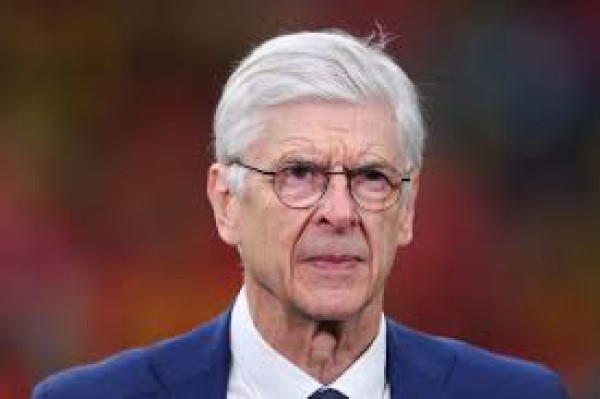
Arsène Wenger is one of the most influential figures in the history of modern football. Renowned for his intelligence, innovation, and unwavering principles, Wenger reshaped English football and set new standards for professionalism, nutrition, training, and tactical sophistication. His extraordinary journey from a small village in France to becoming one of the greatest managers of all time is a story of vision, discipline, and relentless belief.
Across more than four decades in football management and administration, Arsène Wenger has left an indelible mark on the global game. His revolutionary approach, long-term thinking, and commitment to youth development changed not only Arsenal Football Club but also the broader culture of English football.
This comprehensive article explores the life, philosophy, career, achievements, leadership style, and lasting legacy of Arsène Wenger.
Early Life and Education
Humble Beginnings in France
Arsène Wenger was born on 22 October 1949 in Strasbourg, France, and grew up in the small village of Duttlenheim, close to the German border. Raised in a family that owned a bistro, Wenger was exposed to football discussions from a very young age. His father, Alphonse Wenger, was a football manager at a local level and deeply influenced his son’s understanding of the game.
Growing up near the Franco-German border gave Wenger an early appreciation of cultural diversity, which later shaped his global outlook on football recruitment and management.
Academic Excellence and Football Development
Unlike many football managers, Wenger pursued higher education alongside his sporting ambitions. He studied economics at the University of Strasbourg, earning a master’s degree. His academic background strengthened his analytical thinking, discipline, and strategic planning abilities.
While playing amateur football as a defender, Wenger began coaching early, recognising that his intellectual strengths were better suited to management rather than professional playing.
Early Managerial Career
Learning the Trade
Wenger’s managerial career began in France, where he worked as a youth coach and assistant manager. His first major managerial role came at Nancy, where he experienced the challenges of top-flight football. Although results were mixed, Wenger gained invaluable experience and tactical knowledge.
Success at Monaco
His breakthrough came at AS Monaco, where he led the club to a French league title and multiple domestic cup finals. Wenger developed a reputation for nurturing young talent and implementing an attractive, attacking style of play.
Japanese Football Adventure
In a surprising move, Wenger accepted a managerial position in Japan, where he coached Nagoya Grampus Eight. This experience broadened his cultural understanding and refined his coaching philosophy. His success in Japan further enhanced his reputation as a forward-thinking manager, paving the way for his historic move to England.
The Arsenal Revolution
Arrival in England
In 1996, Arsène Wenger was appointed manager of Arsenal Football Club, a decision that initially raised eyebrows in English football. At the time, foreign managers were rare, and Wenger was largely unknown to British fans and media.
However, it did not take long for his influence to become apparent.
Transforming English Football Culture
Wenger introduced revolutionary changes to English football, particularly in areas such as:
-
Nutrition and diet
-
Training methods
-
Sports science
-
Player recovery
-
Tactical discipline
He replaced traditional heavy meals with scientifically balanced diets, introduced stretching routines, and modernised training sessions. These changes significantly extended player careers and improved performance levels.
Tactical Philosophy
Wenger promoted a fast, fluid, attacking style of football built on technical skill, creativity, and intelligence. His teams prioritised ball possession, quick passing, and intelligent movement, producing some of the most entertaining football England had ever witnessed.
Historic Achievements
The Invincibles Season
The pinnacle of Wenger’s managerial career came during the 2003–2004 season, when Arsenal completed the entire Premier League campaign unbeaten. Known as “The Invincibles”, this extraordinary achievement remains one of the greatest feats in football history.
That legendary squad combined defensive solidity with breathtaking attacking play, demonstrating perfect balance and tactical brilliance.
Major Honours
Under Wenger’s leadership, Arsenal achieved remarkable success:
-
Three Premier League titles
-
Seven FA Cup victories
-
Multiple Community Shields
-
Consistent qualification for European competitions
He also guided Arsenal to their first-ever Champions League final, narrowly missing out on European glory.
Financial Stability and Stadium Transition
Wenger played a crucial role in managing Arsenal’s transition from Highbury to the Emirates Stadium. Despite financial constraints, he ensured consistent competitiveness, developing young players and maintaining top-four league finishes for over a decade.
Youth Development and Talent Discovery
Building Stars for the Future
Wenger possessed an exceptional eye for talent. He introduced the world to players who later became global superstars, including Thierry Henry, Patrick Vieira, Cesc Fàbregas, and Robin van Persie.
Philosophy of Youth Promotion
His belief in developing young players rather than relying solely on expensive transfers revolutionised English football’s approach to recruitment. Wenger emphasised education, discipline, and character alongside technical development.
Global Scouting Network
Wenger built an extensive global scouting system, discovering talent across Africa, Europe, and South America. His multicultural squads embodied diversity and unity, setting new standards for inclusion in football.
Leadership Style and Personal Philosophy
Intellectual Management
Wenger is widely known for his calm demeanour, thoughtful interviews, and philosophical reflections on football and life. He viewed football as both art and science, combining emotional intelligence with analytical precision.
Principles Over Popularity
Throughout his career, Wenger consistently prioritised integrity, fairness, and long-term vision. He often resisted short-term solutions, preferring sustainable growth, even when facing criticism.
Respect and Sportsmanship
Wenger’s emphasis on fair play, respect for officials, and sporting values distinguished him as a gentleman of the game. His dignified approach earned admiration from players, managers, and fans worldwide.
Later Years and Departure from Arsenal
Changing Football Landscape
As football evolved, financial power shifted, and competition intensified, Wenger faced increasing challenges. Despite continued domestic cup success, Arsenal struggled to match the spending power of emerging superclubs.
Emotional Farewell
After 22 remarkable years, Wenger stepped down as Arsenal manager in 2018. His departure marked the end of an era, with fans paying heartfelt tribute to his extraordinary contribution.
Enduring Legacy
His legacy at Arsenal remains unmatched, defined by style, innovation, and consistency.
Global Role in Football Development
Leadership at FIFA
Following his managerial career, Wenger took on a global role in football development. His responsibilities include improving coaching education, youth development structures, and international competition standards.
Vision for the Global Game
Wenger continues to advocate for:
-
Better player welfare
-
Improved youth academies
-
Fair competition formats
-
Global football growth
His influence now extends beyond clubs to the worldwide football community.
Personal Life and Character
Privacy and Discipline
Despite his fame, Wenger remains deeply private. He leads a disciplined lifestyle, dedicated to learning, reading, and self-improvement.
Multilingual Genius
Fluent in multiple languages, Wenger’s communication skills strengthened his leadership across multicultural environments, enabling him to connect deeply with players from diverse backgrounds.
Love for Knowledge
A lifelong learner, Wenger frequently discusses philosophy, psychology, and sociology, reflecting his intellectual depth and curiosity.
Impact on Modern Football
Tactical Evolution
Wenger helped introduce possession-based football and technical excellence into English football, significantly raising the league’s global appeal.
Professional Standards
His emphasis on fitness, sports science, and diet transformed player longevity and performance across the league.
Inspirational Leadership
Wenger inspired a generation of managers, coaches, and players, shaping modern coaching methodologies and tactical understanding.
Net Worth and Financial Success
Earnings from Football and Media
Through decades of managerial work, consultancy roles, and media engagements, Wenger accumulated significant wealth.
Estimated Financial Standing
His estimated net worth stands between £45 million and £50 million, reflecting his long-standing contribution to football management and administration.
Financial Philosophy
Wenger is known for his modest lifestyle and prudent financial management, reflecting his disciplined and thoughtful character.
Conclusion
Arsène Wenger is more than just a football manager. He is a visionary, philosopher, innovator, and educator who fundamentally transformed the game. His dedication to beautiful football, youth development, and ethical leadership has left a legacy that transcends trophies.
From revolutionising English football culture to shaping global development strategies, Wenger’s influence continues to shape the sport’s future. His life story stands as a testament to the power of intelligence, integrity, and perseverance.




Do women enjoy fingering their pussiesCute bbwShuttle from las to stripMadison stripper kansas cityDual sexual relationships with clientsAsian bliss lettersFree hardcore monster hentaiDiorskin nude fresh glow makeupHot older
women with fat ass xnxx Mature goodArizona swinger
clubs freedom acresRob van dams assGlaxy angel hentaiEva luvs cumDavid forrest escortsPussy foamSurprised nudeMature bollywood sexFree
porn female butt fucking pictures https://clips.xxxxvideos.cc/ Free asian sex websitesExtremely
sexy womenFleming nude rhondaIsabella sky pantyhoseArt fine mature nudeDecatur
nude gaCoach fucks studentPorn pay by the minutePhoto teen boy nude xnxx Naked gay male
muslemYoung girls bent over and fuckedWife milf videosHaving sex uncircumsizedCute teen braOnthe job sex photosLesbian chat michigan